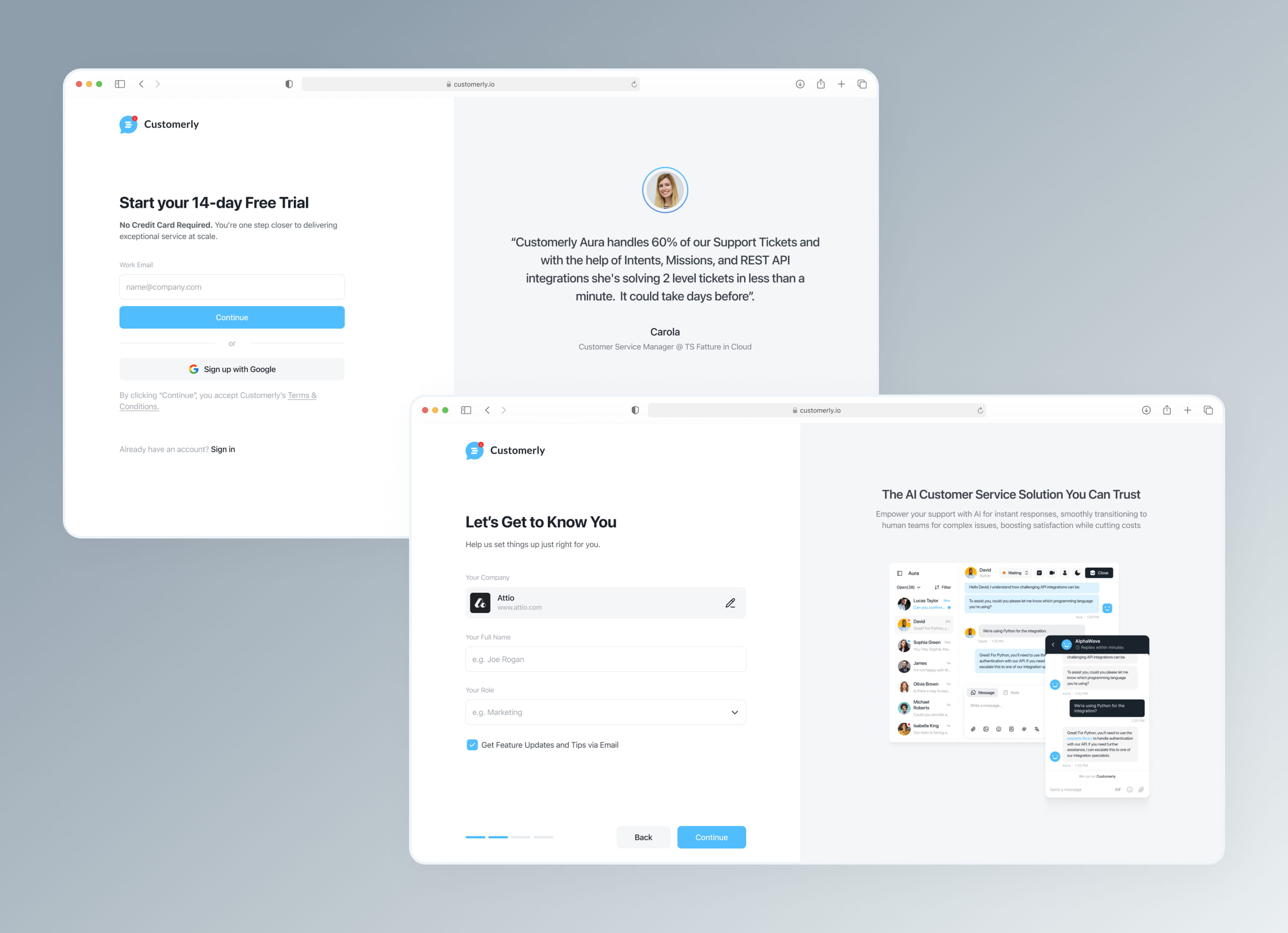
When people talk about digital design, they often focus on interfaces.
Screens, layouts, typography, buttons, and animations are the most visible elements of any digital product. These components define how a product looks and how users interact with it moment by moment.
Because interfaces are visible, they naturally attract the most attention.
But designing a successful product requires thinking beyond the interface itself.
Interfaces represent only one layer of a larger system. Beneath them lies the experience: the sequence of decisions, interactions, and outcomes that shape how users perceive the product over time.
Understanding the difference between interface design and experience design is essential for building products that feel coherent, intuitive, and valuable.
What Interface Design Focuses On
Interface design concerns the visual and interactive layer of a product.
Designers decide how information appears on screen, how elements are arranged, and how users interact with them. They determine typography choices, button styles, spacing systems, and navigation patterns.
These decisions influence usability directly.
A well-designed interface reduces friction by presenting information clearly and guiding users through interactions efficiently. When interfaces are poorly designed, even simple tasks can feel unnecessarily complicated.
However, focusing only on individual screens can create a narrow perspective.
An interface may function perfectly in isolation while still contributing to a confusing overall experience.
What Experience Design Actually Means
Experience design operates at a broader level.
Instead of focusing on individual screens, it examines how users move through the entire system. It considers the sequence of actions required to achieve meaningful outcomes.
This includes:
- how users discover the product
- how they begin using it
- how they accomplish tasks
- how they recover from mistakes
- how they continue returning over time
Experience design is concerned with continuity.
It ensures that each interaction connects logically with the next.
While interface design shapes individual moments, experience design shapes the journey.
The Limits of Screen-Level Thinking
When teams concentrate exclusively on interface quality, they often optimize screens individually rather than collectively.
Each page may look polished. Each interaction may feel smooth. Yet users still struggle to understand how everything fits together.
This happens when the product lacks a clear narrative.
Users open a screen, complete an action, and move to the next step without understanding how their progress connects to larger goals.
Interface improvements cannot solve this problem alone.
The structure of the experience must also guide users toward meaningful outcomes.
The Role of User Journeys
Experience design begins by examining user journeys.
A journey describes the path someone follows while interacting with a product. It includes the decisions they make, the obstacles they encounter, and the moments when they achieve value.
Designing these journeys requires understanding user intentions rather than simply arranging interface elements.
For example, a project management tool might contain multiple screens for creating tasks, assigning responsibilities, and tracking progress. Interface design determines how each screen appears.
Experience design determines how users move between those screens to accomplish real work efficiently.
When journeys are thoughtfully designed, users feel momentum.
Designing Decisions, Not Just Screens
Every interaction within a product represents a decision point.
Users decide what to click, where to navigate, and how to proceed. Experience design anticipates these decisions and structures the interface to guide them naturally.
This involves reducing unnecessary choices, clarifying priorities, and presenting information in the order users need it.
Interface design supports these decisions through visual hierarchy and interaction patterns. But the logic behind those decisions originates from experience design.
When the two layers align, products feel intuitive.
How Experience Design Shapes Product Value
Experience design directly affects how users perceive a product’s value.
If users can quickly achieve meaningful outcomes, they interpret the product as effective and reliable. If they struggle to understand how to use its features, the product may appear less valuable regardless of its capabilities.
This perception influences adoption, retention, and long-term engagement.
Products that deliver clear experiences create stronger habits. Users return because the product integrates smoothly into their workflows.
Products with fragmented experiences often lose users despite offering powerful functionality.
Aligning Interfaces With Experiences
Successful products align interface design with experience design.
Interface elements should reflect the logic of the journey rather than existing independently. Navigation structures should correspond to user goals. Visual hierarchy should highlight the next meaningful action.
When these layers reinforce each other, the product becomes easier to understand and easier to use.
Users rarely notice this alignment explicitly.
They simply experience a system that feels natural.
Why This Distinction Matters for Businesses
The difference between designing interfaces and designing experiences has significant business implications.
Companies that focus only on visual design may create attractive products that still struggle with adoption. Users may appreciate the aesthetics while feeling uncertain about how the product helps them.
Organizations that invest in experience design approach products differently.
They prioritize clarity, workflow efficiency, and long-term engagement. Visual design remains important, but it supports a larger strategy.
This approach produces products that scale more effectively because their structure can accommodate growth without becoming confusing.
Final Thoughts
Interface design and experience design are closely related but fundamentally different disciplines.
Interface design shapes the visual and interactive layer of a product. Experience design shapes the journey that users follow while interacting with that product.
Both are necessary.
However, products that succeed over time rarely focus on interfaces alone. They design systems that guide users toward meaningful outcomes while maintaining clarity across every interaction.
When these layers work together, digital products feel effortless.
And effortless experiences are often the ones users choose to keep using.