If you browse enough SaaS websites, you start to notice a pattern.
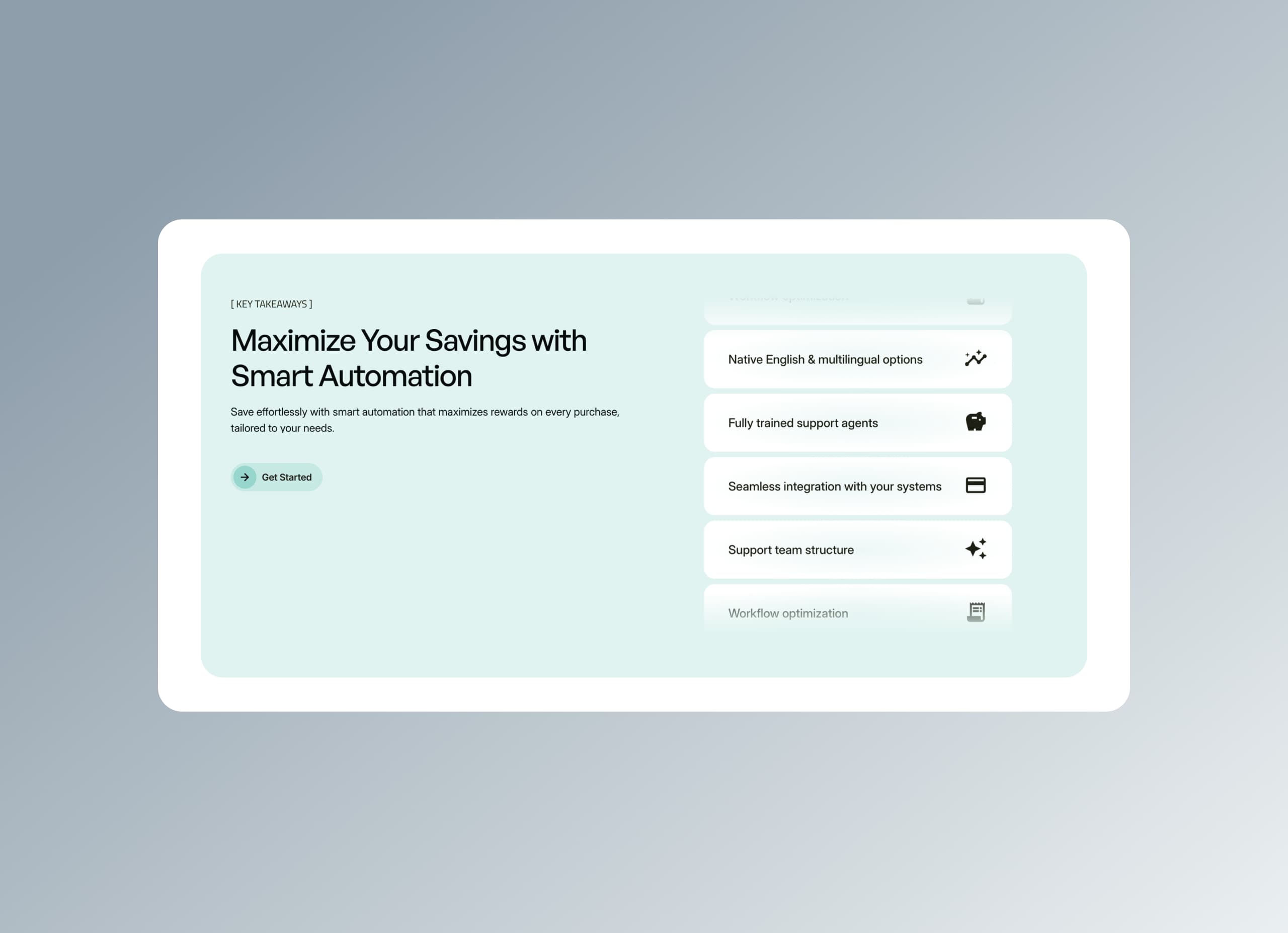
The structure feels familiar before you even begin reading. A large headline sits at the top of the page. Beneath it, a short explanation promises efficiency, automation, or growth. A polished product screenshot appears beside a call-to-action button encouraging visitors to start a free trial.
Scrolling down reveals a similar sequence across many companies. Logos of recognizable brands appear as social proof. Feature sections explain key capabilities. Testimonials follow. Pricing tables appear near the bottom. Finally, another call to action invites the visitor to sign up.
At first glance, this structure seems logical. After all, these elements exist because they work. They communicate value, build credibility, and guide users toward conversion.
But when nearly every SaaS website adopts the same structure, differentiation becomes difficult.
Products may solve completely different problems, yet their websites begin to feel interchangeable.
The question is not simply why this happens.
The more interesting question is why companies continue repeating the same patterns even when they want to stand out.
The Rise of the SaaS Website Template
Over the last decade, SaaS websites gradually converged toward a common formula. Design systems, landing page frameworks, and conversion optimization research all contributed to this evolution.
Certain patterns proved effective at explaining digital products quickly. Clear headlines, product visuals, feature breakdowns, and pricing comparisons helped visitors understand value with minimal effort.
Once these patterns demonstrated results, they spread rapidly across the industry.
Design agencies replicated them.
Product teams adopted them.
Website builders created templates around them.
Eventually, the structure itself became the default expectation for SaaS companies.
Today, many founders assume their website should follow this formula simply because most successful companies appear to use it.
But the success of those companies rarely comes from the structure alone.
Why Familiar Patterns Feel Safe
Users appreciate familiarity.
When visitors arrive at a website, they do not want to spend time learning how the page works. They want to understand the product quickly. Familiar structures allow them to do that.
A recognizable layout reduces cognitive effort. Users know where to look for information, where to find pricing, and where to start interacting with the product.
This is why certain design conventions persist across industries. They reduce friction.
However, familiarity also introduces a subtle problem.
When every company uses the same patterns, visual identity weakens. Visitors can navigate easily, but they struggle to remember which company they just explored.
Predictability improves usability.
But too much predictability erases distinction.
The Role of Design Trends
Design trends accelerate this convergence.
Minimal layouts, large typography, soft gradients, rounded components, and animated illustrations have become widely associated with modern SaaS design. These elements often appear together, creating a recognizable aesthetic language.
Trends are not inherently harmful.
They help define contemporary expectations and allow companies to communicate that their product is current rather than outdated.
The challenge arises when trends become substitutes for strategy.
If design choices are driven primarily by what looks modern rather than what expresses the company’s unique position, many websites begin to look identical.
Trends should enhance identity, not replace it.
Conversion Optimization and Its Side Effects
Conversion optimization also plays a role in homogenizing SaaS websites.
Over time, marketers have identified elements that statistically improve conversion rates. Clear calls to action, concise feature descriptions, trust indicators, and structured pricing sections all help visitors make decisions faster.
When teams optimize strictly for measurable performance, they often remove elements that feel risky or unconventional.
This approach improves short-term metrics but may reduce long-term differentiation. Websites become increasingly similar because they all rely on the same proven patterns.
Ironically, the pursuit of higher conversion sometimes produces weaker brand recall.
Visitors convert but forget.
When Best Practices Become Limitations
Best practices are valuable guidelines.
But when they become rigid rules, they limit creativity.
Many teams treat website structure as something predetermined rather than something designed. They assume the page must follow a certain order because that is how SaaS websites usually appear.
This mindset transforms design into assembly rather than exploration.
Instead of asking how the product should be introduced, teams ask which section template should be placed next. Instead of crafting a narrative around the product’s unique value, they replicate a structure that worked elsewhere.
The result is a page that functions adequately but rarely feels memorable.
Differentiation vs Predictability
Designing a SaaS website involves balancing two competing forces.
Predictability helps users navigate comfortably.
Differentiation helps users remember the product.
If a website becomes too unconventional, visitors may struggle to understand it. If it becomes too predictable, visitors may struggle to distinguish it.
The most effective websites navigate this tension carefully. They maintain familiar navigation patterns and clear information hierarchy while expressing identity through tone, visuals, storytelling, and product framing.
Structure can remain recognizable.
But personality should not disappear.
Why Most Companies Avoid Risk
Standing out requires intentional deviation from convention.
And deviation introduces uncertainty.
Founders worry that unusual layouts might reduce conversions. Marketing teams fear that unfamiliar storytelling might confuse visitors. Designers may hesitate to propose ideas that differ from established patterns.
As a result, many companies default to the safest option: replicating what already exists.
This decision minimizes short-term risk.
But it also minimizes the possibility of creating a memorable brand presence.
Designing Within Patterns Without Looking Generic
The goal is not to reject established patterns entirely.
Instead, companies should treat them as structural foundations rather than complete solutions.
A familiar layout can still host a distinctive narrative. Typography can reflect brand personality rather than generic neutrality. Product visuals can emphasize unique workflows rather than generic dashboards.
Even subtle shifts in storytelling can transform a standard structure into a distinctive experience.
Differentiation does not always require radical redesign.
Often, it requires clarity about what makes the product truly different.
Final Thoughts
Most SaaS websites look similar because they are built using the same frameworks, influenced by the same design trends, and optimized using the same performance metrics.
These factors create efficiency, but they also produce sameness.
Companies that stand out do not abandon usability principles. Instead, they build upon them thoughtfully. They maintain clarity and familiarity while allowing their brand identity and product story to shape the experience.
In other words, they treat structure as a starting point, not a template.
And that small shift in perspective is often what separates memorable websites from forgettable ones.