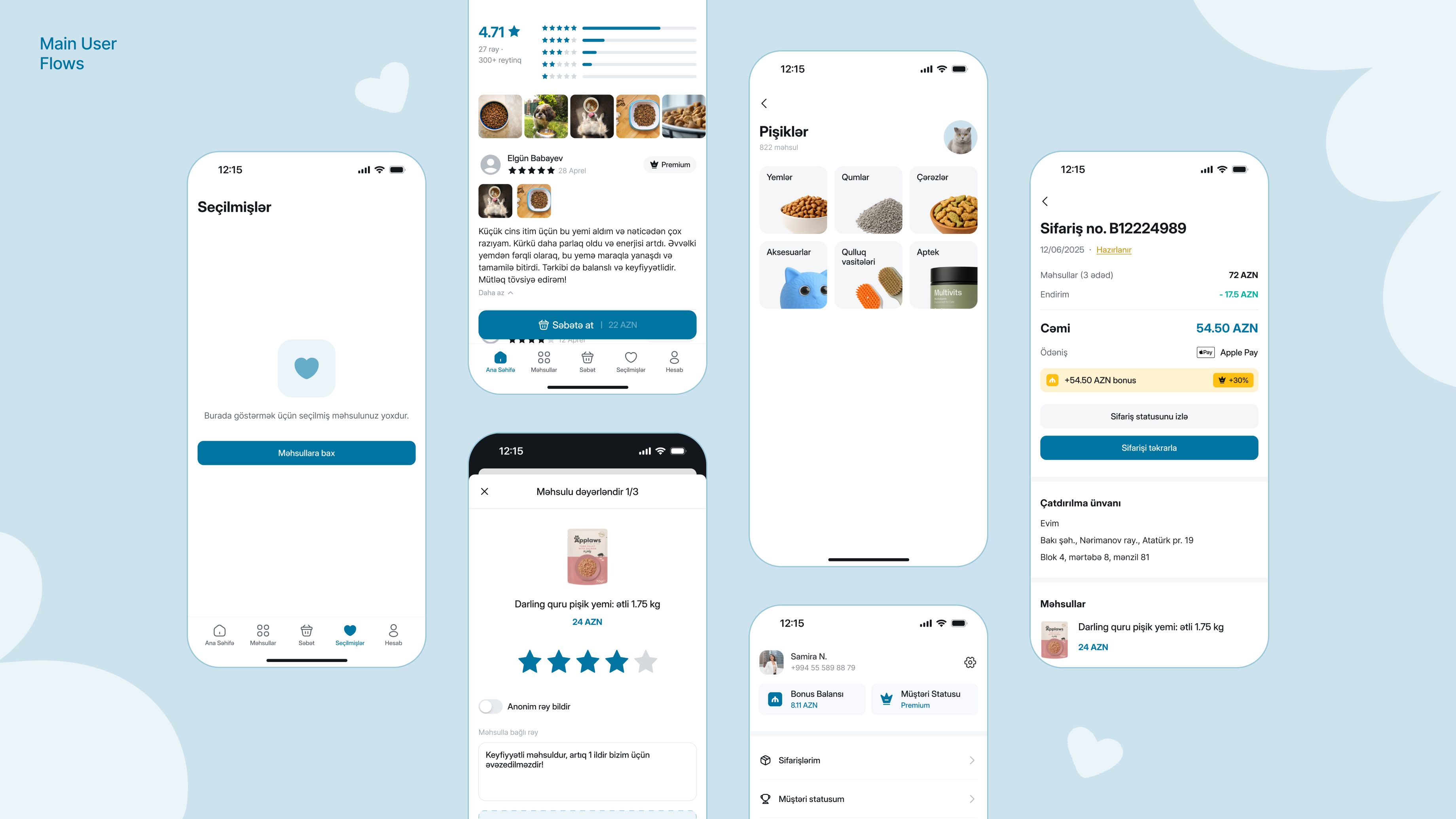
In many product teams, success is often associated with strong engineering, ambitious roadmaps, and a steady flow of new features. When a company builds a technically capable product, it is easy to assume that the rest of the experience will naturally fall into place.
But in practice, many technically impressive products struggle to gain traction. Users sign up, explore briefly, and then disengage. The product might offer powerful capabilities, yet adoption grows slower than expected.
This pattern is surprisingly common.
It rarely happens because the product itself lacks value. More often, it happens because the product lacks direction in how that value should be experienced.
That direction is UX.
Not just interface design, but the strategic layer that defines how users move through the system, how complexity is organized, and how value becomes visible.
Without that direction, even good products can feel confusing.
The Difference Between Capability and Experience
A product’s capability refers to what it can do.
Its experience refers to how people actually use it.
Many companies focus heavily on expanding capability. They build new tools, add integrations, increase automation, and improve technical performance. From an internal perspective, this progress is measurable and exciting.
However, capability alone does not guarantee clarity.
Users interact with products through interfaces, workflows, and decision paths. If those paths are unclear or inconsistent, users struggle to understand how the system helps them achieve their goals.
The product may contain powerful features, but those features remain hidden behind complexity.
In these situations, the problem is not functionality.
The problem is direction.
Why Engineering Alone Doesn’t Guarantee Usability
Engineering excellence is essential for building reliable products. It ensures that systems scale, data flows correctly, and infrastructure remains stable under heavy use.
But engineering solves different problems than UX.
Engineers think in terms of architecture, performance, and implementation logic. UX focuses on mental models, user behavior, and interaction clarity.
Without a bridge between these perspectives, products often evolve in technically logical ways that feel confusing to users.
For example, a system might organize features according to backend structure rather than user tasks. Navigation may reflect internal product modules rather than real workflows. Advanced capabilities may be exposed before users understand the basics.
From a technical standpoint, everything works.
From a user standpoint, everything feels overwhelming.
What UX Direction Actually Means
UX direction is not simply about designing individual screens.
It is about defining the experience architecture of the product.
This includes:
- how users enter the product
- how they understand its value
- how complexity is introduced gradually
- how tasks are structured
- how information is prioritized
UX direction ensures that every new feature fits within a coherent experience rather than appearing as an isolated addition.
Without this layer, product decisions become fragmented. Each feature may solve a specific problem, but the overall system becomes harder to navigate.
Users experience the product as a collection of tools instead of a unified workflow.
When Products Grow Without a Clear Structure
Early-stage products often feel simple because they contain few features. As teams add capabilities, complexity increases naturally.
If UX direction evolves alongside the product, that complexity can remain manageable. Information architecture adapts. Navigation evolves. New features integrate into existing workflows.
But when UX direction is missing, growth creates confusion.
New features appear in unexpected places. Navigation expands unpredictably. Similar actions exist in multiple locations. Users must experiment to discover how tasks should be completed.
From the team’s perspective, progress continues.
From the user’s perspective, the product becomes harder to understand.
The Cost of Fragmented Product Decisions
Fragmented UX direction creates hidden costs.
Onboarding becomes longer because users must learn inconsistent patterns. Support requests increase as customers struggle to locate functionality. Documentation grows more complicated because workflows lack clarity.
Internally, product teams also feel the impact.
Designers must constantly adapt existing screens to accommodate new features. Engineers maintain increasingly complex interfaces. Product managers struggle to prioritize improvements because structural problems are harder to isolate.
The system becomes fragile.
Small changes produce unexpected consequences.
UX as a Strategic Discipline
When UX direction is treated strategically, product decisions become clearer.
Instead of asking only whether a feature should exist, teams ask how that feature fits into the broader experience. They consider how users will discover it, when they will encounter it, and how it contributes to overall workflows.
This approach prevents unnecessary complexity.
Features are organized intentionally rather than appended to existing screens. Navigation reflects real tasks rather than internal product structures. Users experience the product as a coherent system rather than a set of disconnected tools.
UX becomes the connective layer between product vision and everyday interaction.
Aligning Product Vision With User Experience
Every product begins with a vision.
Founders imagine how their solution will change the way people work. Product leaders define long-term capabilities. Roadmaps outline the path toward that future.
UX direction translates this vision into a usable system.
It determines how that future appears to users today. It ensures that each new feature moves the experience closer to the intended outcome rather than scattering attention.
Without this translation layer, vision remains abstract.
With it, the product evolves in a way that users can understand and adopt.
Creating Direction Without Slowing Innovation
Some teams worry that emphasizing UX direction will slow development.
In reality, the opposite is often true.
Clear experience frameworks reduce decision friction. Designers spend less time solving the same problems repeatedly. Engineers implement consistent patterns instead of creating new ones for every feature. Product managers evaluate ideas more efficiently because the structure already exists.
Innovation becomes easier when the foundation is stable.
Teams can focus on meaningful improvements rather than constantly repairing structural inconsistencies.
Final Thoughts
Good products do not fail because their capabilities are insufficient.
They fail because those capabilities are difficult to experience.
UX direction provides the structure that transforms technical potential into usable value. It aligns features with workflows, simplifies complexity, and ensures that growth strengthens rather than weakens the product experience.
When this direction is missing, even impressive technology can feel confusing.
But when it is present, products become easier to understand, easier to adopt, and easier to scale.
And in competitive markets, clarity often matters more than capability.